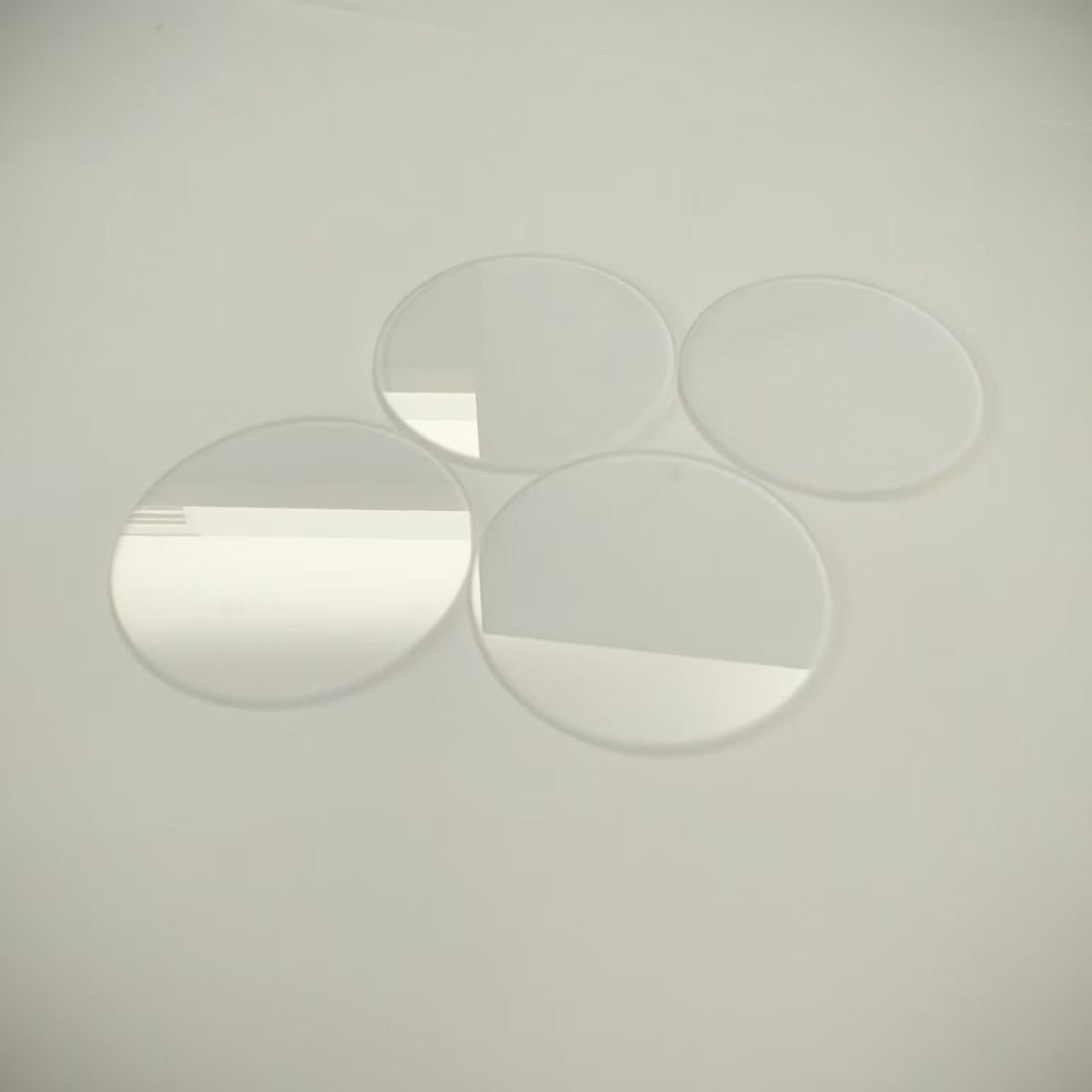
High borosilicate glass is a special glass material with low expansion rate, high temperature resistance, high strength, and high chemical stability. Its main components include silicon dioxide (SiO2) and boron oxide (B2O3). The coefficient of thermal expansion of high borosilicate glass is (3.3 ± 0.1) × 10 ^ -6/K, which makes it less prone to fracture under temperature changes.
The production process of high borosilicate glass includes steps such as preparation, melting, forming, annealing, and post-processing. Due to its excellent fire resistance and physical strength, high borosilicate glass is used in industries such as solar energy, chemical, pharmaceutical packaging, electric light sources, and craft jewelry. In addition, it also has applications in laboratories, such as manufacturing high durability beakers and test tubes.
The unique properties of high borosilicate glass make it excellent in various applications. Its low thermal expansion coefficient reduces the impact of temperature gradient stress and enhances its fracture resistance. This type of glass also has high heat resistance and can withstand high temperature environments, making it suitable for special applications such as handling high-level radioactive nuclear waste. Due to its good chemical stability, high borosilicate glass also has applications in the chemical industry.